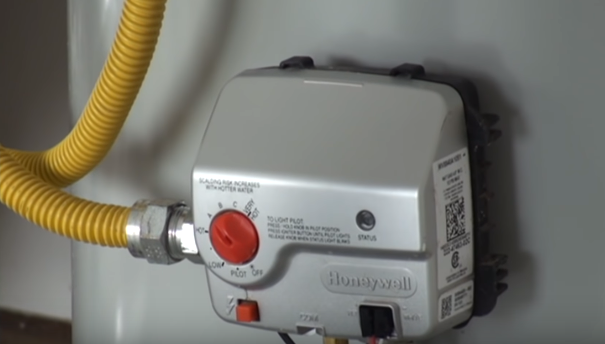
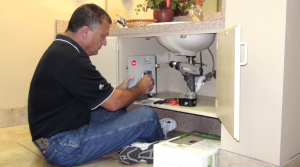
Maintenance Of The Water Heater

The hot water balloon tanks are made of metal, which, even protected by a coating such as enamel, can be corroded by chlorinated water.

To prevent corrosion that could lead to water heater leakage, some models of water heaters are now equipped with the ACI hybrid dynamic corrosion protection: a magnesium-coated titanium anode is placed in the center of the tank. Magnesium is sprayed permanently on the walls, where it creates a protective barrier.
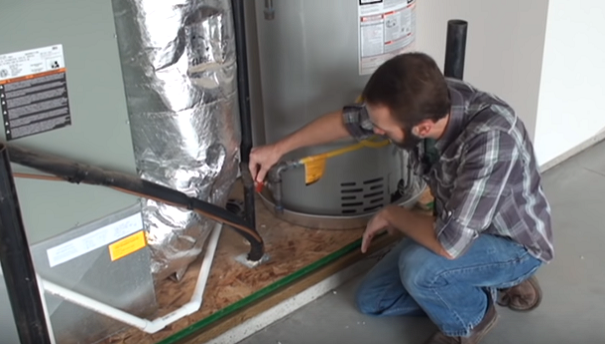
This barrier is then held in place by the chemical action of the titanium anode. This corrosion barrier is active as soon as the water heater is commissioned and does not require any special maintenance. Even if, with the purchase, a water heater equipped with this technology can be more expensive, it will prove, with the use, impressive on a financial level.

Also, many models are now furnished with “smart” systems: they adapt to the production of hot water according to the pace of life of occupants and know how to manage absences. They can produce the amount of water you need.

With limestone, resistance begins to toil and becomes less powerful. It is therefore recommended to drain the tank and replace the scaled strength as soon as the water heats up less or it takes longer to heat. It is also necessary to ensure the excellent performance of the hot water tank so that it provides optimal comfort and less consumption.

The hot water tanks have a lifespan shorter or longer depending on the mechanisms in place to ensure sustainability and maintenance. Maintenance of this equipment is often neglected; once the failure or leak is declared, the device is often replaced. Do not neglect the insulation of your water heater either.

It is advisable to let the gas, thermodynamic, or solar water heater maintenance to a professional: networks are more complex.

2.How to empty a water heater
  • Turn off the power (electricity, gas …).
  • Stop the circuit breaker or remove the fuse from the water heater.
  • Turn off the water supply and open the faucets in your home.
  • Arrange a vast basin under the balloon or garden hose to drain the water.
  • Open the purge valve, protecting you from splashes and steam.
  • Wait until the balloon is empty (may take about an hour).
  • Close the drain cock.
  • Open the water supply.
  • Close the taps of your home.
  • Wait until the balloon fills up again.
  • Restart the power supply.

3.How to replace a water heater resistor

  • Perform steps 1 / to 6 / above (draining).
  • Remove the cover and memorize the electrical connections.
  • Unscrew the plate, the flange gasket, and unscrew the resistor.
  • Replace the resistor with a new part.
  • Clean the tank and thermostat heater with vinegar and a brush until you get as much limestone as possible.
  • Replace the seals.
  • Replace the flange and the plate.
  • Repeat the electrical connections.
  • Repeat steps 7 / to 11 / of the drain (see above).

19Aug/26

Why Is My Water Heater Screeching or Whining?

You shouldn’t have to listen to a screaming, whining, squealing or shrill noise coming from your water heater. There might be some type of problem with your water heater, depending on how it is sounding.

There are a variety of reasons why your water heater will make different noises. Some noises are just typical to the way a water heater works; however, there are many instances where the noise indicates a restriction in water flow, a faulty valve, mineral build up or possibly One or several parts that require repairs. Allowing the problem to develop into a bigger problem could potentially lead to a much more serious plumbing issue down the road.

Understanding exactly what your water heater is telling you can enable you to know when it is time to contact a professional plumber.

1. A restrictive valve may cause screaming

One of the biggest culprits for creating a high pitched noise with your water heater is restrictive water flow. It has happened to many people who have had their water heaters inspected and repaired when a temperature & Pressure relief valve (tp valve) shut off valve or another piece of equipment became clogged or restricted. As water tries to pass through a small space, it creates a “whistle”, “squeal” or “screech”.

A professional plumber will check all of your valves to see if they are creating the noise.

Note: do not block, remove or disable the temperature & Pressure relief valve. That is a safety device intended to relieve excessive Pressure or heat from the tank.

2. Mineral deposits are creating unusual sounds

In hard water, there are minerals like calcium and magnesium. Eventually, those minerals can build-up inside a standard tank style water heater. Those mineral deposits can disrupt the flow of water and/or the ability of the water heater to efficiently heat the water. Sometimes when water flows past the deposit, it produces strange sounds such as whineing, popping, crackeling and rumbley sounds.

Regularly performing maintenance on your water heater can slow down sediment and mineral build up.

3. The heated elements could possibly be causing the issue

The heated elements in electric water heaters warm the water. If a heating element develops heavy mineral build-up or fails, it can produce abnormal noises. A severely built-up heating element may also decrease the efficiency of your water heater and increase the amount of time required to get hot water.

If your noise seems to occur mostly during the actual process of heating your water, you may want to consider having a professional inspect your heating elements to find out if that is contributing to the noise.

4. Excessive household water Pressure can produce noise throughout the plumbing system

Excessive household water Pressure can produce loud noises in addition to banging pipes and/or noisy faucets and fixtures. High household Pressure puts additional stress on all your pipes, fixtures and valves within your plumbing system as well as on the components within your water heater. If you hear whining or Screeching accompanied by banging pipes and/or noisy faucets/fixtures then your home’s water Pressure probably needs to be checked.

A plumber can test your home’s water Pressure and let you know if you need a Pressure reducing valve installed or adjusted.

5. A failing water heater component is producing the noise

Inside every water heater, there are multiple components that can eventually wear out. These can include thermostats, heating elements, burners, valves, anodes and various types of controls.

Sometimes, high pitch noise increases or persists until you replace a worn-out part.

If your water heater is also producing less-than-hot water, leaky conditions, rust colored water and/or varying temperatures then this too is likely related to your failing component(s).

Do i have to replace my water heater because of its abnormal noise?

No! Unless your unit is old and/or has significant issues beyond simply being noisy.

Typically, a standard tank-type water heater will last about 8-12 years and is impacted by regular maintenance, local water quality, usage patterns and installation practices.

However, if an older model is producing abnormal noises and needs to be frequently serviced/repaired – replacing it may end up being more financially sensible compared to repairing an older model repeatedly.

Maintain your hot water system quiet & dependable!

Anytime your hot water system is producing an unusual noise – investigate it immediately! Whether it is merely due to restricted flow/ mineral accumulation or actually due to a failing component needing professional service, a quick response will benefit both you and your home.

AC Plumbing Construction offers expert services for troubleshooting & servicing your hot water systems. Whether you need water heater repair/maintenance/replacement – we encourage you to take care of any concerns asap so that you can continue enjoying Reliable hot water for years to come!

10Jun/26

The Benefits of Replacing an Older Water Heater

Improved Energy Efficiency

One of the biggest benefits of replacing an older water heater is improved energy efficiency. As a water heater ages, its components wear down. In addition, sediment often builds up inside the tank. Because of this, the system must work harder to heat water.

Modern water heaters use advanced designs and energy-efficient technology. As a result, they require less energy to produce the same amount of hot water. Many homeowners notice lower utility bills after a water heater replacement. Over time, those savings can help offset the cost of a new unit.

Suggested Internal Link: Link “water heater replacement” to your Water Heater Services page.

Reliable Access to Hot Water

Older water heaters often struggle to keep up with household demand. For example, showers may turn cold sooner than expected. You may also notice inconsistent water temperatures while washing dishes or doing laundry.

A newer water heater delivers more reliable performance. Furthermore, many newer models recover faster after heavy use. This means your family can enjoy a steady supply of hot water throughout the day.

Reduced Risk of Plumbing Emergencies

As a water heater gets older, the risk of failure increases. Parts such as heating elements, thermostats, and valves naturally wear out over time.

Although repairs can solve individual problems, repeated repairs become expensive. Eventually, a complete breakdown becomes more likely. By replacing an aging water heater before it fails, homeowners can avoid emergency plumbing situations and unexpected disruptions.

Lower Repair and Maintenance Costs

Many homeowners continue repairing an older water heater because the upfront cost seems lower than replacement. However, those expenses can add up quickly.

Service calls, replacement parts, and maintenance costs often increase as the system ages. Meanwhile, older units tend to experience multiple problems at once.

A new water heater offers a fresh start with a more dependable system. As a result, homeowners often spend less money on repairs and maintenance in the years ahead.

Cleaner Water and Better Performance

Over time, sediment, rust, and mineral deposits can accumulate inside a water heater tank. This buildup can affect both water quality and system performance.

Common signs of sediment buildup include:

  • Discolored water
  • Unpleasant odors
  • Reduced hot water supply
  • Popping or rumbling noises from the tank

Fortunately, a new water heater eliminates many of these issues. Homeowners often notice cleaner water and improved performance shortly after installation.

Increased Property Value

Updated home systems are attractive to potential buyers. While a water heater replacement may not dramatically increase property value, it can improve buyer confidence.

Prospective buyers appreciate knowing that major plumbing equipment has already been updated. In addition, a newer system reduces the likelihood of unexpected repairs after moving in.

Enhanced Safety Features

Safety is another important reason to replace an aging water heater. Older units are more likely to develop corrosion, leaks, and worn components.

In some cases, pressure relief valves or gas connections may also become less reliable. Newer water heaters include updated safety features designed to improve overall performance and protection.

Professional installation helps ensure that all safety components function properly. Therefore, homeowners can enjoy greater peace of mind.

Access to Modern Water Heater Technology

Today’s water heaters offer features that were unavailable just a few years ago. Depending on your household needs, upgrading may provide several valuable benefits.

Modern systems can offer:

  • Improved energy efficiency
  • Faster heating performance
  • Better temperature control
  • Advanced safety features
  • Tankless water heater options

At AC Plumbing Construction, we help homeowners compare available options and select the right system for their needs.

Suggested Internal Link: Link “tankless water heater options” to your Tankless Water Heater Services page.

Learn More About Water Heater Efficiency

Homeowners interested in improving energy efficiency can explore resources from the U.S. Department of Energy:
Energy Saver Water Heating Guide

This guide explains how modern water heaters can reduce energy use and lower utility costs.

22Apr/26

Water Heater Maintenance Tips: Prevent Costly Repairs & Extend Lifespan

Most homeowners don’t really pay much attention to their water heater until it breaks. The problem is that many of the things that go wrong could have been prevented with the right type of care. Even the highest quality water heaters will eventually lose efficiency, develop problems or fail sooner than they would otherwise, if not  maintained properly.

There’s good news though; many of the issues associated with water heaters can be avoided by performing regular maintenance. Proper care can also prolong the life of your system, improve its performance and ensure that you won’t experience a surprise failure.

Following these simple water heater tips and prevention tips can make all the difference over time. Here in this guide we will outline what to do to maintain your system so it runs well for years to come.

Why Water Heater Maintenance Is Important

Water heaters operate under constant heat and pressure which causes degradation of the internal components. When there is no routine water heater maintenance performed, minor issues can become expensive repairs.

One of the biggest issues facing owners of water heaters is sediment build-up within the tank. As minerals found in your local water source are deposited at the bottom of your tank, they form a layer that increases the amount of work your system has to do, thereby decreasing its efficiency.

Preventing sediment build-up through routine water heater maintenance removes sediment deposits from the tank and returns your system to peak efficiency. Routine maintenance also allows for detection of worn-out parts prior to complete failure. Following standard water heater tips can help you avoid costly repairs and extend the life expectancy of your system.

Flush Your Tank Regularly

Flushing your tank is one of the most important prevention techniques for maintaining your water heater. Flushing your tank removes sediment that develops over time due to usage.

Industry professionals recommend flushing your tank annually. However, if you reside in an area where the water is “hard”, you may find that you need to flush your tank more frequently.

Removing sediment from your tank can improve the efficiency at which your system heats water. Additionally, removing sediment can decrease the overall strain placed on the system. Performing this simple technique will improve the performance of your system and assist in preventing long-term damage to your system.

If you’re unsure as to how to flush your tank, a professional can perform this function for you during your routine water heater maintenance visit.

Check Your Anode Rod

Your anode rod performs a critical function in preserving your tank. The anode rod attracts corrosive materials in the water and prevents them from contacting and damaging the interior lining of your tank.

As time passes, the anode rod degrades and needs to be replaced. If you neglect replacing your anode rod, corrosion begins developing within your tank resulting in leaks.

It is recommended that you inspect and replace your anode rod approximately every 5-10 years depending on water conditions. Replacing your anode rod is an example of how preventative measures can greatly extend the life expectancy of your system. This relatively inexpensive measure can potentially prevent the need for a total replacement of your system in the future.

Test Your T&P Valve

Your T&P valve is a critical safety device designed to release excessive pressure inside your tank. Testing this valve on a regular basis assures that it functions properly. Failure of this valve can result in extreme pressure building inside your tank creating potentially hazardous situations.

Testing the T&P valve requires simply lifting it slightly off of its seat allowing it to spring back down. Water should momentarily flow from the valve upon releasing pressure. If no water flows from the valve, it may require replacement.

Incorporating testing of this valve into your water heater maintenance routine provides assurance that your system remains safe and operational.

Set Correct Temperature

Setting correct temperatures not only enhances safety but also contributes significantly to improved efficiency of operation. Most new water heaters are typically shipped and installed at higher-than-optimal temperatures.

Typically, setting the temperature at 120 degrees Fahrenheit is optimal for residential applications. This lower operating temperature minimizes unnecessary energy consumption while lessening burn hazard exposure.

Additionally, using lower temperatures slows down development of sediment deposits and scale buildup, making this one of the easier and simpler preventative measures available to you.

Adjusting the temperature control is quick and simple. Although it may seem insignificant, lowering the operating temperature of your system will contribute to enhanced performance and reduced wear-and-tear on your equipment.

Inspect for Leaks & Rust

Routine inspection allows you to catch issues early. Inspect for signs of leakage near the base of the unit. Also check for rust or corrosion on pipes and other connections.

Ignoring even minimal signs of leakages can cause serious problems later on, including significant expense for repairs and damage to surrounding structures.

When you observe signs of potential problems such as leaks or rust, address those issues immediately. Identifying problems early-on is a large factor in effective maintenance procedures for your water heater system.

Remaining proactive helps you avoid unforeseen emergency situations and maintain smooth operation of your system.


24Sep/25

Water Heater Problems Every Homeowner Should Know

Few things are more irritating than getting into cold water or hot water that isn’t consistent. Most homes rely on their water heater the most of all appliances. It’s just there, taking up space, until it doesn’t work anymore. Many homeowners don’t think about the water heater until it fails, and while most problems are very manageable, knowing some common water heater repairs and when to call a plumber in Carlsbad will help you avoid expensive repairs and hair-raising emergencies.

AC Plumbing Construction Inc. has been providing quality plumbing solutions for over 20 years. We have years of ongoing work as your Carlsbad plumber whether you need a reliable plumber, routine care, or an emergency plumber in Carlsbad, we are here for you and to make sure your water heater is operational and functioning properly.

Water Heater Problems

No Hot Water.

The first water heater problem and the most obvious one is there is no hot water. The no hot water problem could be an electric heating element failure in an electric water heater or the pilot light failure in a gas water heater. Having a professional plumber in Carlsbad come check it will always be the better investment instead of risking problems arising from DIY.

Hot Water Inconsistently.

Do you experience hot water that sometimes is scalding hot and sometimes is lukewarm? Hot water inconsistency could mean that the thermostat is faulty or that sediment has built up in the tank. Preventive maintenance is a good way to help prevent your showers from being interrupted.

Noisy Water Heater.

You may experience some popping, banging, or rumbling sounds in the water heater, but this is not normal. These sounds are usually from sediment that has hardened at the bottom of the tank. With time, that builds the sediment and lowers the efficiency while adding more wear to your unit. Flushing the tank using an emergency plumber in Carlsbad can restore performance.

Water Leaks

Water leaks outside your water heater should never be ignored. Leaks can indicate tank issues, loose connections, and/or problematic valves. Even the faintest leaks can incur serious water damage if left unresolved. A qualified license Carlsbad plumber can ascertain what is leaking and suggest the repair.

Rusty or Discolored Water

If you are experiencing rusty water coming from your faucet, this could be a sign that your water heater is corroding from the inside. This is a serious issue and often needs replaced. Acting fast, will not only get you back on track with clean water, but prevent the complete failure of the unit.

Why You Should Keep Up With Professional Maintenance

Many homeowners believe water heaters have little need for care. In reality, the regular maintenance will extend the possible lifetime of your water heater and prevent emergencies. A qualified Carlsbad plumber can

Flush sediment from the tank

Look for leaks or corrosion

Test the pressure relief valves

Check heating elements/thermostats

Check energy efficiency

By putting your water heater on annual maintenance, you lessen the risk for unexpected catastrophic failure and maximize the performance of your water heating system.

When to call an Emergency Plumber in Carlsbad

Oftentimes, water heater problems can’t wait. If you have major leaks, you have no hot water, or you smell something burning, you should definitely call an emergency plumber in Carlsbad. Prompt action can take care of:

Preventing Water Damage

Getting Hot Water Back Quickly

Lower the Costs of Repairs

Protecting Your Family from Hazards (Gas or electrical problems)

Choosing the Right Carlsbad Plumber

When selecting a reliable plumber, look for a licensed and insured and skilled in water heater repair/replacement. Here at AC Plumbing Construction Inc., we offer upfront pricing, honest information, and prompt emergency service. No matter if you need a minor fix or a full water heater installation, we are your local team to count on.

Conclusion

Water heaters are out of sight, but they should never be out of mind. By recognizing common water heater issues and using a skilled Carlsbad plumber, you can keep your system operational for years. Plus, if any issues come about, you can rely on an emergency plumber in Carlsbad.

📞 Contact AC Plumbing Construction today with the best water heater repair, replacement, or emergency service in Carlsbad and North County.

26Jun/25

Water Heater Repair Carlsbad: Essential Maintenance Tips

Proper water heater repair Carlsbad is essential to keep your unit running smoothly. For residents in Carlsbad, regular maintenance prevents costly breakdowns and prolongs the life of your water heater. Understanding key upkeep tasks and knowing when to call a professional will save you time and money.


Why Water Heater Maintenance Matters

Water heaters provide essential hot water for daily life. However, without routine care, sediment buildup and worn parts can reduce efficiency and cause leaks. Neglecting maintenance often leads to premature failure, which increases the need for water heater repair Carlsbad services. Regular upkeep helps identify issues early and prevent emergencies.


Key Maintenance Tasks Every Homeowner Should Know

While professionals perform some maintenance best, homeowners can handle basic steps:

1. Flushing the Tank: Sediment can damage tank water heaters. Flush annually to remove buildup and improve efficiency.

2. Checking the Pressure Relief Valve: Test this valve to avoid dangerous pressure buildup. Lift the lever and ensure water flows freely.

3. Inspecting the Anode Rod: Replace the anode rod every 3–5 years to prevent rust damage.

4. Monitoring Temperature Settings: Keep the thermostat near 120°F to balance safety and energy use.


When to Call a Professional for Water Heater Repair Carlsbad

Signs like fluctuating water temperatures, leaks, strange noises, or loss of hot water mean it’s time to call an expert. A qualified plumber can diagnose issues accurately, perform repairs, and advise if replacement is necessary.


The Role of an Emergency Plumber in Carlsbad

Water heater failures can occur unexpectedly. Having contact info for a trusted emergency plumber in Carlsbad ensures rapid response to leaks or breakdowns, preventing water damage and restoring hot water quickly.


Conclusion

Regular maintenance is key to avoiding costly repairs and ensuring your water heater functions reliably. Whether performing basic upkeep or calling for professional water heater repair Carlsbad, proactive care protects your home and comfort. In emergencies, a skilled emergency plumber in Carlsbad provides swift, effective solutions.

30May/25

Essential Guide to Water Heater Maintenance for Carlsbad Residents

A reliable hot water supply is a fundamental comfort in every Carlsbad home, especially when it’s time for your morning shower or to run the dishwasher. But like any appliance, your water heater requires routine maintenance to function efficiently and avoid unexpected breakdowns. Without proper care, even the most dependable units can fall victim to leaks, sediment buildup, or worse—complete failure. That’s why understanding and performing regular water heater maintenance is vital. Whether you’re doing simple tasks yourself or calling in an expert for more serious issues, staying ahead of problems is key. For more significant concerns, contacting professionals specializing in water heater repair in Carlsbad or reaching out to an emergency plumber in Carlsbad is often the best course of action.

Understanding Your Water Heater
There are two common types of residential water heaters: traditional tank models and tankless systems. Each type has its own maintenance requirements, but all share the need for periodic checks and servicing. Standard tank units typically hold 30–80 gallons of water and heat it continuously, while tankless heaters warm water on demand. Both types benefit from regular flushing, inspection, and component replacement when necessary.

The Importance of Routine Maintenance
Routine maintenance isn’t just about prolonging the life of your water heater—it’s also about ensuring energy efficiency and reducing utility bills. Over time, sediment from minerals in the water accumulates at the bottom of the tank, reducing heating efficiency and increasing the risk of corrosion or leaks. If neglected, these issues can lead to major repairs or a complete system replacement.

A well-maintained water heater can last up to 12 years, while neglected units may begin to fail in half that time. By keeping your system in check, you not only save on emergency service costs but also ensure hot water availability when you need it most.

DIY Water Heater Maintenance Tips
Here are some basic maintenance steps homeowners can do themselves:

  1. Flush the Tank Annually
    Sediment buildup is a major enemy of efficiency. Once a year, drain a few gallons from the tank to remove deposits and improve heating performance. Be sure to turn off the power or gas before flushing the unit.

  2. Check the Anode Rod
    This rod prevents rust by attracting corrosive elements in the water. Inspect it every 2–3 years and replace it when more than 6 inches of the core wire is exposed.

  3. Test the Pressure Relief Valve
    Lift the lever on the valve to ensure water flows out and stops when released. If it doesn’t, the valve may need replacement—an issue best handled by a licensed emergency plumber in Carlsbad.

  4. Inspect for Leaks
    Check around the base of the water heater regularly. Small leaks can escalate quickly and indicate more serious internal problems.

When to Call a Professional
While basic tasks are manageable, certain warning signs demand expert intervention. These include:

  • Discolored or rusty water

  • Consistent water temperature fluctuations

  • Unusual noises from the unit

  • Low hot water pressure

  • Visible corrosion

These symptoms could signal a failing heating element, a damaged tank, or more severe internal corrosion. In such cases, scheduling water heater repair in Carlsbad promptly can prevent a total system failure.

Additionally, if you experience a sudden lack of hot water or suspect a gas leak, do not wait—call an emergency plumber in Carlsbad immediately. Emergency professionals are trained to assess, contain, and fix dangerous situations that could pose risks to your family or property.

Conclusion
Water heater maintenance is not something Carlsbad homeowners can afford to overlook. Regular upkeep not only prolongs the life of your system but also keeps energy costs down and helps prevent costly emergencies. From simple tank flushing to professional repairs, maintaining your water heater ensures your household enjoys safe, uninterrupted access to hot water. For reliable service, always have a trusted provider of water heater repair in Carlsbad and a dependable emergency plumber in Carlsbad in your contact list—because when hot water stops flowing, you’ll want expert help fast.

29Apr/25

How to Maintain a Water Heater?

Proper maintenance of your water heater is one of the most effective ways to extend its lifespan, improve efficiency, and prevent unexpected breakdowns. Whether you have a tank-style or tankless system, routine upkeep can save you from needing urgent water heater repair in Carlsbad or calling an emergency plumber in Carlsbad when your hot water suddenly stops working.

In this guide, we’ll walk you through the key steps to maintaining your water heater and offer expert tips to keep your system running at its best all year long.

Why Water Heater Maintenance Matters

Your water heater works hard every day, supplying hot water for showers, laundry, dishes, and more. Over time, mineral buildup, corrosion, or faulty components can reduce efficiency and lead to failure. Neglecting maintenance may result in higher energy bills, inconsistent hot water, or worse—a complete breakdown that requires urgent water heater repair in Carlsbad.

Regular maintenance ensures:

  • Improved efficiency and lower energy usage

  • Consistent hot water supply

  • Extended equipment lifespan

  • Fewer emergency repairs

  • Lower long-term costs

How to Maintain Your Water Heater: Step-by-Step

1. Inspect the Temperature Setting

Check your water heater’s thermostat and ensure it’s set to 120°F (49°C). This is the ideal setting for energy efficiency and safety. Setting it higher not only wastes energy but increases the risk of scalding and can wear out your system faster.

2. Flush the Tank Annually

Over time, sediment and minerals—especially in hard water areas like Carlsbad—accumulate at the bottom of the tank. This buildup reduces heating efficiency and can damage the tank.

Steps to flush the tank:

  • Turn off the power or gas supply to the heater.

  • Connect a garden hose to the drain valve at the bottom.

  • Open the valve and allow the water to flow out until clear.

  • Close the valve, refill the tank, and restore power.

If you’re unsure or the process feels risky, a professional offering water heater repair in Carlsbad can safely perform this service.

3. Test the Pressure Relief Valve

This valve prevents excess pressure buildup and potential explosions. To test it:

  • Place a bucket under the discharge pipe.

  • Lift the valve lever slightly and let it snap back.

  • If water doesn’t flow out or the valve leaks afterward, it may need replacing.

This is a key safety check—if it fails, don’t wait. Call an emergency plumber in Carlsbad right away.

4. Check for Leaks or Rust

Inspect around the base of the unit and along connections for any signs of moisture, rust, or corrosion. Small leaks may indicate failing valves or gaskets, while rust often signals internal damage.

Leaks shouldn’t be ignored. Early signs of failure often lead to bigger problems, and a quick fix can prevent costly water heater repair in Carlsbad.

5. Insulate the Tank and Pipes

Adding insulation to your water heater tank and the first 6 feet of connected hot water pipes can reduce heat loss and improve efficiency. Use pre-cut pipe sleeves and a water heater blanket for this.

Be careful not to cover the thermostat or burner compartment on gas models.

6. Schedule Annual Professional Maintenance

Even if you’re comfortable performing basic upkeep, a yearly inspection by a qualified plumber is essential. A professional can:

  • Check the anode rod (prevents tank corrosion)

  • Examine gas lines and venting (for gas units)

  • Ensure all electrical and safety systems are functioning

Routine service helps avoid emergencies, but if you do face a sudden issue, calling an emergency plumber in Carlsbad ensures quick and reliable help.

When to Call for Help

Some water heater issues are best left to the pros. Contact a plumber if you notice:

  • Popping or rumbling noises from the tank

  • Rusty or discolored water

  • Water with a metallic smell

  • Frequent pilot light outages (for gas heaters)

  • Any major leak or loss of hot water

Whether it’s routine maintenance or urgent water heater repair in Carlsbad, a licensed plumber can diagnose problems early and prevent bigger issues.

Conclusion

Maintaining your water heater doesn’t require advanced plumbing skills—just a little time and attention. From flushing the tank to checking the pressure valve, these simple steps can help you avoid costly breakdowns and improve your system’s performance.

When you need expert help, always turn to a professional who specializes in water heater repair in Carlsbad. And for unexpected issues, an experienced emergency plumber in Carlsbad can restore your hot water fast—so your home stays comfortable, efficient, and worry-free.

05Mar/25

What Happens If You Don’t Flush the Water Heater?

A water heater is an essential appliance in any home, providing hot water for showers, cooking, and cleaning. However, like any other appliance, it requires regular maintenance to function properly. One crucial maintenance task is flushing the water heater. Many homeowners neglect this step, unaware of the potential risks involved. If you don’t flush your water heater, you may face numerous issues, including inefficiency, damage, and costly repairs. If problems arise, seeking water heater repair in Carlsbad or contacting an emergency plumber in Carlsbad may be necessary.


Why Flushing Your Water Heater Is Important

Over time, sediment and mineral deposits accumulate at the bottom of the water heater tank. This buildup comes from natural minerals in the water, particularly in areas with hard water. Flushing the tank removes these deposits, helping maintain efficiency and preventing long-term damage. Neglecting this maintenance step can lead to significant problems, some of which may require professional intervention.


Problems Caused by Not Flushing Your Water Heater

1. Reduced Efficiency

When sediment builds up in the tank, it creates a barrier between the heating element and the water. This forces the water heater to work harder to heat the water, resulting in higher energy bills. If you notice an increase in your energy costs, it might be time to schedule a water heater repair in Carlsbad to restore efficiency.

2. Lukewarm or Inconsistent Water Temperature

Sediment buildup reduces the heater’s ability to produce hot water consistently. You may experience fluctuations in water temperature, leading to uncomfortable showers and ineffective dishwashing or laundry cycles. If flushing the tank doesn’t resolve the issue, contacting an emergency plumber in Carlsbad for a thorough inspection is recommended.

3. Corrosion and Tank Damage

If sediment is left unchecked, it can contribute to the corrosion of the tank’s interior. The anode rod, designed to prevent rust, will deteriorate faster when exposed to excessive mineral buildup. Corrosion weakens the tank, making it more susceptible to leaks or even complete failure, which can be costly to repair or replace.

4. Increased Risk of Leaks

The more sediment that accumulates, the greater the pressure inside the tank. Over time, this can lead to small cracks or leaks in the unit. A leaking water heater can cause significant water damage to your home, requiring immediate attention from a water heater repair in Carlsbad specialist.

5. Strange Noises and Rumbling Sounds

A water heater filled with sediment often produces strange noises, such as popping, banging, or rumbling sounds. These noises occur when the heating element burns through the sediment, causing small explosions inside the tank. These sounds indicate that the unit is struggling to function properly and should be flushed as soon as possible.

6. Shortened Lifespan of the Water Heater

A neglected water heater has a significantly shorter lifespan than a well-maintained one. The additional strain caused by sediment buildup, inefficiency, and corrosion can cause premature failure, forcing homeowners to replace the unit much sooner than expected.


How Often Should You Flush Your Water Heater?

To prevent these issues, experts recommend flushing your water heater at least once a year. However, if you have hard water in your area, you may need to flush it more frequently. Regular flushing ensures that your unit remains efficient, prolongs its lifespan, and minimizes the risk of costly repairs. If you’re unsure about performing this maintenance yourself, consulting an emergency plumber in Carlsbad can ensure the job is done correctly.


Conclusion

Failing to flush your water heater can lead to inefficiency, costly repairs, and even premature failure. Regular maintenance is essential for ensuring that your water heater operates effectively and lasts as long as possible. If you notice any signs of sediment buildup, reduced efficiency, or leaks, don’t hesitate to seek water heater repair in Carlsbad. For immediate assistance with any water heater issues, an emergency plumber in Carlsbad can provide expert service and prevent further damage to your home. Keeping up with regular maintenance will save you money and ensure you always have access to reliable hot water.


11Feb/25

How Important Is It to Completely Flush a Water Heater?

A well-functioning water heater is essential for maintaining comfort in any home, providing hot water for bathing, cooking, and cleaning. However, regular maintenance is crucial to ensure its longevity and efficiency. One of the most overlooked but essential maintenance tasks is flushing the water heater. This simple yet vital procedure prevents sediment buildup, enhances efficiency, and extends the lifespan of your unit. If you’re unsure about the process, contacting a professional for water heater repair in Carlsbad can help ensure it’s done correctly.


The Role of Flushing in Water Heater Maintenance

Over time, minerals and debris from water accumulate at the bottom of the heater tank, leading to various issues. Without regular flushing, these sediments can:

  • Reduce the unit’s heating efficiency, requiring more energy to heat water.
  • Cause strange noises, such as popping or rumbling, due to trapped sediment.
  • Shorten the lifespan of the water heater by corroding the tank and components.
  • Increase energy bills as the system struggles to operate efficiently.
  • Lead to potential clogs in pipes and fixtures from sediment buildup.

For homeowners who have hard water, flushing the heater is even more critical due to higher mineral content. If you’re experiencing performance issues, seeking assistance from an emergency plumber in Carlsbad can provide quick and professional solutions.


How Often Should You Flush Your Water Heater?

The frequency of flushing depends on water quality and usage. Experts recommend:

  • Once a year for homes with moderate to soft water.
  • Every six months for homes with hard water to prevent excessive buildup.
  • More frequently if your water heater shows signs of inefficiency, such as fluctuating water temperatures or increased energy consumption.

Flushing your water heater regularly can prevent costly repairs and replacements. If the task seems daunting, hiring a professional for water heater repair in Carlsbad ensures it’s handled properly.


Steps to Flush a Water Heater

Although many homeowners can perform a basic flush, professional maintenance ensures thorough cleaning and early detection of potential issues. If you choose to do it yourself, follow these steps:

  1. Turn off the power – Shut off the electricity for electric heaters or the gas supply for gas heaters.
  2. Shut off the cold water supply – This prevents additional water from entering the tank.
  3. Attach a hose to the drain valve – Direct the hose to a safe drainage location.
  4. Open the drain valve – Let the water and sediment flow out completely.
  5. Flush with fresh water – Briefly turn the cold water supply back on to remove any remaining debris.
  6. Close the valve and refill – Once the water runs clear, close the valve, remove the hose, and turn on the cold water supply.
  7. Restore power or gas supply – Turn everything back on and allow the unit to heat water normally.

If you’re unsure about handling this process, an emergency plumber in Carlsbad can provide expert assistance, ensuring safety and efficiency.


Conclusion

Flushing your water heater is an essential maintenance task that prevents sediment buildup, improves efficiency, and extends the lifespan of your unit. Neglecting this routine care can lead to higher energy costs, equipment failure, and costly repairs. Whether you choose to handle the task yourself or hire a professional for water heater repair in Carlsbad, regular flushing is key to keeping your system in top condition. If you’re facing serious issues, an emergency plumber in Carlsbad can provide immediate assistance, ensuring your water heater operates efficiently and reliably.

15Jan/25

What Maintenance Does a Water Heater Need?

A water heater is one of the most essential appliances in any home, providing hot water for showers, cleaning, and cooking. However, like any piece of equipment, it requires regular maintenance to ensure it operates efficiently and lasts as long as possible. Neglecting water heater upkeep can lead to higher energy bills, reduced performance, or even the need for costly repairs or replacements. In this article, we’ll outline the maintenance tasks a water heater needs and explain why hiring professionals for water heater repair in Carlsbad or an emergency plumber in Carlsbad is a smart move for homeowners.

Why Water Heater Maintenance Is Important

Regular maintenance offers several benefits:

  • Improved Efficiency: A well-maintained water heater uses less energy, saving you money on utility bills.
  • Prolonged Lifespan: Routine care can extend the life of your unit, delaying the need for a replacement.
  • Consistent Performance: Proper maintenance ensures you’ll have a reliable supply of hot water when you need it.
  • Preventing Emergencies: Identifying and addressing small issues early can prevent costly breakdowns and the inconvenience of losing hot water unexpectedly.

Key Water Heater Maintenance Tasks

  1. Flushing the Tank
    • Why It’s Necessary: Over time, sediment and mineral buildup can accumulate at the bottom of the tank, reducing efficiency and causing corrosion. As a result, flushing is critical to maintaining the unit’s performance.
    • How It’s Done: Turn off the water heater, attach a hose to the drain valve, and empty the tank. Then, flush it with clean water until all sediment is removed.
    • Frequency: At least once a year.
    • Pro Tip: If you’re unsure about how to safely flush your water heater, contact a professional for water heater repair in Carlsbad to handle it for you.
  2. Inspecting the Anode Rod
    • What It Is: The anode rod is a metal rod inside the tank that attracts corrosive elements, preventing them from damaging the tank.
    • What to Look For: Check for significant corrosion or wear. If the rod is less than half an inch thick or coated with calcium, it needs replacement.
    • Frequency: Every 1-3 years. Specifically, this task ensures the tank’s longevity by combating internal corrosion.
  3. Testing the Pressure Relief Valve
    • Why It’s Important: This safety valve prevents the tank from over-pressurizing, which could cause it to explode. Therefore, regular testing is essential.
    • How to Test: Lift the valve’s lever to release some water and ensure it’s functioning properly. If no water comes out or it won’t close, replace the valve.
    • Frequency: Annually.
  4. Checking the Thermostat Settings
    • Optimal Temperature: The Department of Energy recommends setting your water heater to 120°F for energy efficiency and safety.
    • Why It Matters: A thermostat that’s too high can waste energy and increase the risk of scalding, while a setting that’s too low may not provide enough hot water. Consequently, this adjustment strikes a balance between safety and efficiency.
  5. Inspecting for Leaks
    • What to Look For: Check the area around the tank and connections for signs of water leaks.
    • Why It’s Critical: Leaks can lead to water damage and may indicate larger issues, such as a failing tank or loose connections.
    • When to Call a Pro: If you spot a leak, it’s time to reach out to an emergency plumber in Carlsbad for immediate assistance.
  6. Insulating the Tank and Pipes
    • Why It’s Beneficial: Insulation reduces heat loss, making your water heater more energy-efficient.
    • How It’s Done: Wrap the tank with an insulation blanket and insulate exposed hot water pipes.
    • Frequency: Once during the installation or as needed.

When to Call a Professional

While many maintenance tasks can be performed by homeowners, some require the expertise of a trained plumber. For example, here are scenarios where it’s best to call a professional:

  • You’re unsure how to perform a specific maintenance task.
  • There’s significant sediment buildup that won’t flush out.
  • The anode rod or pressure relief valve needs replacement.
  • You notice leaks or other signs of wear and tear.
  • Your water heater isn’t providing enough hot water despite maintenance efforts.

Professionals offering water heater repair in Carlsbad have the tools and knowledge to address these issues effectively, ensuring your water heater operates at its best.

Signs Your Water Heater Needs Immediate Attention

  • No Hot Water: This could indicate a faulty heating element or thermostat. Additionally, a lack of hot water may suggest a deeper system failure.
  • Unusual Noises: Rumbling or banging sounds may signal excessive sediment buildup, which requires immediate attention.
  • Discolored Water: Rusty or murky water can be a sign of corrosion inside the tank.
  • Foul Odors: A sulfur-like smell suggests bacterial growth, which can be addressed by flushing the tank and treating the water.
  • Leaks: Any sign of water pooling around your unit warrants a call to an emergency plumber in Carlsbad.

Conclusion

In conclusion, regular maintenance is essential for keeping your water heater running efficiently and extending its lifespan. Tasks like flushing the tank, inspecting the anode rod, and testing the pressure relief valve can prevent small problems from turning into costly repairs. While some maintenance can be done on your own, enlisting the help of professionals for water heater repair in Carlsbad ensures the job is done right. If you’re ever in doubt or dealing with a water heater emergency, don’t hesitate to contact an emergency plumber in Carlsbad. By staying proactive, you can enjoy reliable hot water and peace of mind for years to come.