Proper maintenance of your water heater is essential for its longevity and optimal performance. One of the most critical maintenance tasks is draining the water heater regularly to remove sediment and debris. But how often should this be done? In this post, we’ll explore the importance of draining a water heater, how frequently you should do it, and why you may need a water heater repair in Carlsbad or an emergency plumber in Carlsbad if problems arise.
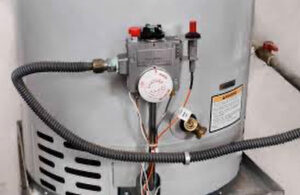
Water heaters play a crucial role in providing hot water for showers, laundry, and dishwashing. Over time, minerals and sediment from hard water can accumulate at the bottom of the water heater tank, reducing its efficiency and even causing damage. Regularly draining the water heater removes this sediment, improving the system’s performance and prolonging its lifespan. But many homeowners wonder how often this maintenance task should be performed. Let’s break down the answer.
Why Draining Your Water Heater is Important
Before discussing how often you should drain your water heater, it’s important to understand why this process matters.
When water is heated, the minerals in the water—such as calcium and magnesium—can settle at the bottom of the tank. This creates sediment buildup that can have several negative effects on the water heater, including:
Reduced Efficiency: Sediment creates an insulating layer at the bottom of the tank, making it harder for the burner to heat the water. This forces the heater to work harder and use more energy, resulting in higher utility bills.
Clogged Drain Valve: If sediment builds up too much, it can clog the drain valve, making it difficult or impossible to drain the water heater.
Overheating and Damage: Sediment can cause the water heater to overheat, damaging the tank or causing leaks. In extreme cases, it may result in a complete system failure.
Given these risks, draining your water heater regularly helps prevent unnecessary damage and extends its service life. If you’re unsure of how to drain a water heater, or if you notice any issues with your system, it may be time to call a water heater repair in Carlsbad professional.
How Often Should You Drain a Water Heater?
The general recommendation is to drain your water heater at least once a year. However, there are several factors that could influence how frequently you should perform this maintenance task.
1. Water Hardness
The hardness of your water can significantly impact the rate at which sediment builds up in your water heater. Hard water contains higher concentrations of minerals like calcium and magnesium, which are more likely to settle at the bottom of the tank. If you live in an area with hard water, you may need to drain your water heater every six months instead of just once a year.
2. Age of the Water Heater
As water heaters age, they tend to accumulate more sediment. If your water heater is more than five years old, you should consider draining it more frequently to maintain its efficiency. Regular draining can also help you monitor the condition of the tank and detect any signs of corrosion or damage early, preventing the need for more costly repairs down the line.
3. Usage Frequency
If your household uses a lot of hot water—such as for large families or frequent laundry and dishwashing—you may need to drain your water heater more often. High usage means the heater cycles on more frequently, leading to faster sediment accumulation.
4. Signs That It’s Time to Drain
Aside from following a set schedule, you should also be aware of the signs that your water heater needs to be drained. These include:
Rumbling or popping noises coming from the tank (caused by sediment boiling at the bottom)
Inconsistent water temperatures or water taking longer to heat up
Reduced hot water supply
If you notice any of these issues, it’s a good idea to drain your water heater as soon as possible, or consult an emergency plumber in Carlsbad if the issue persists.
How to Drain a Water Heater
While draining a water heater is a relatively straightforward process, it does require careful steps to ensure safety. If you’re comfortable with basic DIY maintenance, here’s a simplified guide to draining your water heater:
Turn off the power supply: For electric water heaters, turn off the power at the circuit breaker. For gas models, switch the gas valve to “pilot.”
Turn off the water supply: Shut off the cold water valve leading into the tank to prevent more water from entering.
Connect a hose to the drain valve: Attach a garden hose to the drain valve located near the bottom of the water heater. Place the other end of the hose in a safe drainage area (such as a floor drain).
Open the drain valve: Open the valve to let the water (and sediment) flow out. You may need to open the pressure relief valve or a nearby hot water faucet to allow air into the tank and facilitate drainage.
Flush the tank: Once the water has drained, you can turn the cold water supply back on briefly to flush out any remaining sediment.
Close the valves and refill the tank: Once you’re finished, close the drain valve and pressure relief valve, then turn the water supply back on. Finally, turn the power or gas back on and allow the tank to refill.
If you’re not comfortable doing this yourself or encounter problems during the process, don’t hesitate to reach out to a water heater repair in Carlsbad expert.
Conclusion
Draining your water heater is a simple but essential maintenance task that can greatly extend the lifespan of your system and improve its efficiency. Most experts recommend draining your water heater at least once a year, but factors like water hardness, usage, and the age of your water heater may necessitate more frequent draining.
Regular maintenance will help prevent costly issues like sediment buildup, overheating, and tank corrosion. If you’re not sure how to drain your water heater or if you encounter any problems, it’s always a good idea to contact a professional, such as an emergency plumber in Carlsbad, for assistance. Proper care will ensure that your water heater runs smoothly for years to come.