A well-functioning water heater is essential for maintaining the comfort and convenience of your home. Whether it’s for a relaxing hot shower after a long day or for washing dishes with warm water, the importance of a reliable water heater cannot be overstated. However, like any other appliance, your water heater requires regular maintenance to ensure it operates efficiently and lasts as long as possible. In this blog post, we will discuss the key maintenance tasks that should be performed regularly on your water heater. If you live in Carlsbad and need assistance, services like water heater repair in Carlsbad and emergency plumber in Carlsbad are available to help you maintain your water heater.
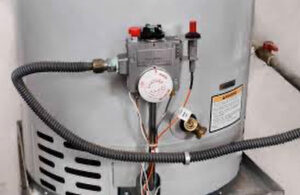
Your water heater works tirelessly behind the scenes to provide hot water whenever you need it. Despite its importance, it’s often an overlooked appliance in the home until something goes wrong. Neglecting routine maintenance can lead to reduced efficiency, higher energy bills, and even premature failure of the unit. Regular maintenance can help you avoid these issues, extend the lifespan of your water heater, and ensure that it continues to perform at its best.
In this post, we’ll cover the essential maintenance tasks you should be doing to keep your water heater in top condition. From flushing the tank to checking the pressure relief valve, these simple steps can save you from costly repairs and the inconvenience of an unexpected breakdown.
1. Flushing the Tank
One of the most important maintenance tasks for your water heater is flushing the tank. Over time, sediment and mineral deposits, such as calcium and magnesium, can build up at the bottom of the tank. This sediment buildup reduces the efficiency of your water heater, making it work harder to heat the water and increasing your energy bills. In some cases, excessive sediment can even cause the tank to overheat or lead to premature failure.
To flush your water heater, follow these steps:
- Turn off the power supply to the water heater (electric or gas).
- Attach a garden hose to the drain valve at the bottom of the tank.
- Run the hose to a suitable drainage area.
- Open the drain valve and allow the water to flow out until it runs clear.
- Close the drain valve, remove the hose, and refill the tank by turning the water supply back on.
- Once the tank is full, turn the power supply back on.
It’s recommended to flush your water heater at least once a year, or more often if you have hard water. If you’re not comfortable performing this task yourself, consider hiring a professional for water heater repair in Carlsbad to do it for you.
2. Checking the Temperature and Pressure Relief (T&P) Valve
The T&P valve is a critical safety feature of your water heater. It’s designed to release pressure if the temperature or pressure inside the tank gets too high, preventing the tank from bursting. Regularly testing the T&P valve is essential to ensure it’s functioning correctly.
To check the T&P valve:
- Place a bucket under the discharge pipe connected to the valve.
- Lift the valve’s lever to release some water.
- If water flows out, the valve is working properly. If nothing happens or the valve leaks after releasing, it may need to be replaced.
If you’re unsure about how to test the T&P valve or if it needs replacement, contact an emergency plumber in Carlsbad for assistance. Regular checks of the T&P valve can prevent dangerous situations and ensure your water heater operates safely.
3. Inspecting the Anode Rod
The anode rod is a metal rod inside the water heater tank that helps prevent corrosion. It does this by attracting corrosive elements in the water, which would otherwise damage the tank. Over time, the anode rod corrodes and needs to be replaced to continue protecting your water heater.
To inspect the anode rod:
- Turn off the power and water supply to the water heater.
- Locate the anode rod at the top of the tank and use a socket wrench to unscrew it.
- Inspect the rod for significant corrosion or wear.
- If the rod is less than ½ inch thick or is heavily corroded, it should be replaced.
Replacing the anode rod every 3-5 years can significantly extend the life of your water heater. If you’re not comfortable inspecting or replacing the anode rod, a professional offering water heater repair in Carlsbad can help.
4. Insulating the Tank and Pipes
Insulating your water heater tank and pipes can improve the efficiency of the system by reducing heat loss. This is especially important in colder climates where the water heater has to work harder to maintain the desired temperature.
To insulate your water heater:
- Purchase a water heater insulation blanket that fits your tank size.
- Wrap the blanket around the tank and secure it with tape.
- Ensure that you don’t cover the top of gas water heaters or the thermostat.
- Insulate the hot water pipes leading from the tank using pipe insulation.
Insulating your water heater can reduce standby heat losses by 25%-45%, saving you money on your energy bills.
Conclusion
Regular maintenance of your water heater is essential for its efficiency, safety, and longevity. By performing tasks such as flushing the tank, checking the T&P valve, inspecting the anode rod, and insulating the tank and pipes, you can ensure that your water heater continues to provide reliable service for years to come. If you’re in the Carlsbad area and need help with any of these maintenance tasks, don’t hesitate to contact a professional for water heater repair in Carlsbad or an emergency plumber in Carlsbad.
Taking the time to perform these simple maintenance tasks can save you money on repairs, lower your energy bills, and extend the life of your water heater, ensuring it continues to meet your household’s hot water needs.